
Marketing veterinary practices isn’t about doing more. It’s about building a system that attracts the right clients, converts them without friction, and keeps patients coming back without adding more work to your team.
This blueprint focuses on four areas: positioning, digital conversion, automated retention, and simple tracking.
Define Your Brand and Ideal Pet-Parent Audience
Most veterinary practice marketing advice starts with tactics (social posts, ads, SEO). Tactics don’t work well if you aren’t clear on whom you serve and what you’re known for.
If you’re vague, you’ll attract price shoppers, mismatched expectations, and more stress at the front desk.
Start with a clear “why clients choose us”
You don’t need a narrow specialty to stand out. You need a clear promise you can deliver consistently. Pick 2–3 pillars such as:
- Convenient access (online requests, clear booking options)
- Calm, thorough appointments (clear communication and expectations)
- Proactive care (rechecks, wellness compliance, follow-up)
Marketing your veterinary practice should reinforce those pillars everywhere: website, reviews, phone scripts, reminders, and follow-ups.
10-minute exercise: define your ideal client
Write a quick “pet-parent persona” using:
- Life stage: family, young professional, retiree, rural working owner
- Top priority: convenience, reassurance, speed, continuity, affordability
- Main hesitation: uncertainty about cost, appointment availability, understanding the plan
- What builds trust: clear next steps, visible reviews, consistent follow-up, easy scheduling
Build a Strong Digital Presence That Converts
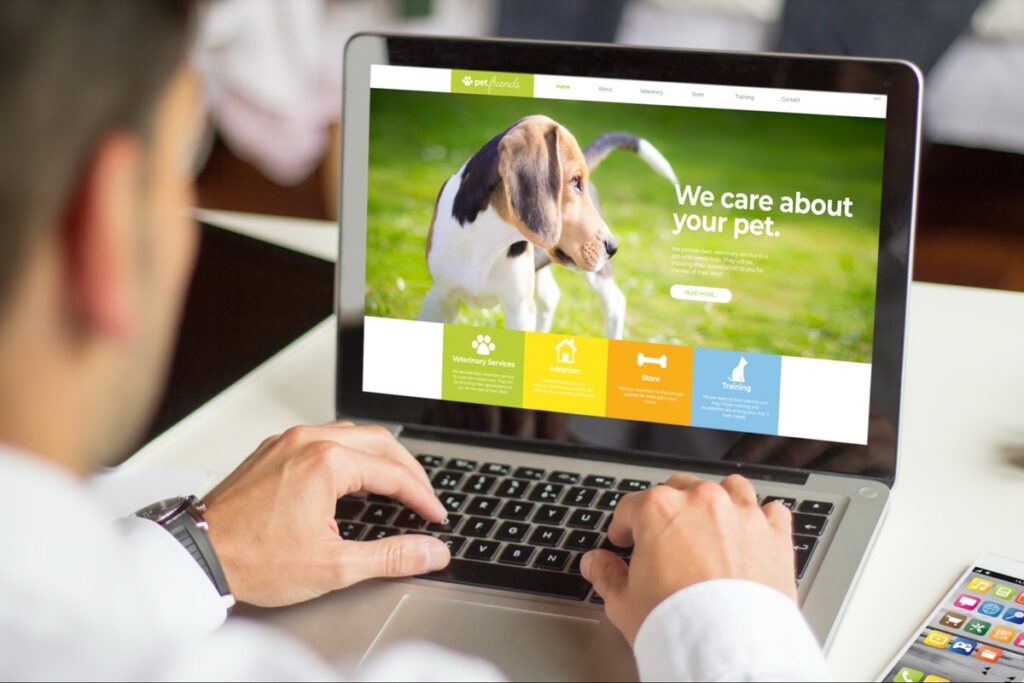
Your website and listings are often the first “interaction” a client has with your clinic. If it’s hard to book, confusing to navigate, or unclear on expectations, you’ll lose good clients, even with strong reviews.
Reviews influence booking confidence, especially when the content feels real and recent. BrightLocal’s Local Consumer Review Survey 2025 found that consumers feel most positive when the written review describes a positive experience (75%), and many also look for a high star rating (58%), a business-owner response (55%), and recent reviews (posted within the last month: 49%).1
Website must-haves (keep it practical)
For many pet owners, your website is the first interaction with your clinic—and booking friction can cost you appointments. According to a Vetstoria survey of 104 veterinary practices, 86% of practices reported positive feedback from pet owners about online booking, with just 1% reporting negative feedback, and 85% said it improved the level of service their team offers.2
- Mobile-friendly layout and fast-loading pages
- A clear booking path on every page (book/request appointment)
- Services + expectations (hours, new-client info, what to bring)
- Reviews visible without digging
- Clear call + online options (clients choose based on urgency)
Clinics evaluating their online experience should also review the top veterinary apps and digital tools that reduce manual work and improve how clients interact with your practice.
Reduce friction between “ready to book” and “confirmed”
Marketing veterinary practice will convert when the next step is simple. If clients can request or schedule online and then move through payment smoothly, you reduce drop-off and reduce phone load.
This is where workflow and software matter. DaySmart Vet’s PetCare Portal and integrated payments can support a cleaner client journey from booking to checkout, so marketing your veterinary practice doesn’t create extra work for your team.
This kind of connected experience is much easier to deliver with cloud based veterinary practice management software, where scheduling, communication, and payments all work together instead of in silos.
Engage Clients Consistently Through Automation and Content
A lot of growth comes from retention: keeping clients active, improving compliance, and reducing no-shows.
Reminders matter because preventive visit habits aren’t consistent: a U.S. survey study found 49% of dog owners and 44% of cat owners reported having an annual veterinary visit for preventative health—meaning a large share may be missing routine preventive care touchpoints.3
Use automated outreach to protect time and improve follow-through
Use email/SMS communication tied to client and patient activity so follow-ups don’t rely on memory or spare time. High-impact areas:
- Appointment reminders (reduce no-shows and day-of gaps)
- Recheck reminders (support continuity of care)
- Wellness reminders (improve preventive care compliance)
- Post-visit follow-ups (reduce confusion and increase trust)
If your reminders and rechecks are inconsistent, you’re not just losing revenue; you’re creating extra inbound calls and rework. DaySmart Vet can help clinics run these touchpoints more consistently using the data already in the system.
Publish simple content that reduces questions and increases trust
You don’t need constant posting. Start with short, useful pieces based on what your team answers every week:
- “What to expect at a first puppy/kitten visit”
- “How we handle urgent appointments”
- “Why do we recommend annual bloodwork”
- “Dental care: what’s included in a cleaning”
Keep it simple and clinic-specific. End each page with one next step: request an appointment, call, or ask a question.
If your goal is to grow without adding complexity, this approach aligns closely with How DaySmart Vet helps streamline your clinic by reducing friction for both clients and staff.
Track, Refine, and Grow Without Overload
Marketing becomes stressful when it’s guesswork. Keep tracking tight and focused.
Track what actually drives sustainable growth
Start with four metrics:
- New clients per month
- Reactivation rate (inactive clients who return)
- No-show/cancellation rate
- Average transaction value
DaySmart Vet dashboards can help you view key performance data in one place, which makes it easier to spot trends and decide what to fix next.
30-minute monthly routine (repeatable)
- Review the four metrics.
- Identify one bottleneck (no-shows, slow new-client flow, weak rechecks).
- Run one change for 30 days (tighten reminders, improve booking flow, publish two FAQs).
- Keep what works; drop what doesn’t.
That’s how you build practice growth without piling more onto your staff.
Putting the Blueprint Into Practice
Marketing for veterinary practices works best when it’s built into how your clinic already operates. Clear positioning attracts the right clients. A streamlined digital experience makes it easy for them to book and pay. Automated communication keeps patients on track without adding work. Simple reporting helps you improve steadily instead of guessing.
Book a demo of DaySmart Vet to see how scheduling, communication, payments, and reporting work together in one system.
Sources
- BrightLocal. Local Consumer Review Survey 2025 — Trust in reviews and most important factors. https://www.brightlocal.com/research/local-consumer-review-survey/#section-2-trust-in-reviews-and-most-important-factors
- Vetstoria. The Impact of Online Booking: A Survey of 104 Veterinary Practices — practices report online booking feedback and service impact. https://www.vetstoria.com/customer-stories/online-booking-personal-touch-study-report/
- Bir C, Widmar NJO, Croney CC. Familiarity and Use of Veterinary Services by US Resident Dog and Cat Owners. Animals. 2020. https://pmc.ncbi.nlm.nih.gov/articles/PMC7143178/