

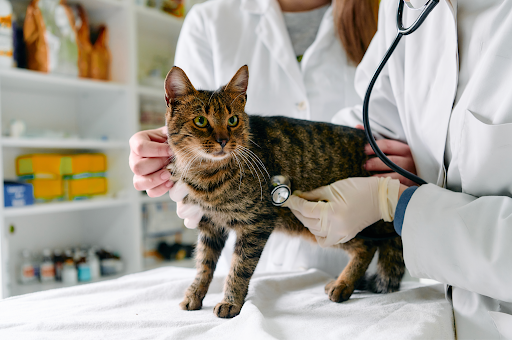
A technician reaches for medication and finds one bottle left, despite the inventory system showing six. Resolving this requires backtracking: Was stock unrecorded? Was an item wasted? Was an invoice missed? Or was the count incorrect from the last delivery?
In veterinary practices, inventory discrepancies extend beyond accounting. They can prevent access to critical medications, leave expired stock on shelves, or cause unnecessary purchases without clear usage insights.
Veterinary inventory management systems are designed to give practices better control over medications, supplies, ordering, costs, and stock levels.
Practice leaders must decide whether inventory tracking should run as a standalone system or be fully embedded within the veterinary practice management software used daily for patient care, dispensing, billing, and reporting.
What Veterinary Inventory Management Systems Handle
Stock levels, reorder points, and low-inventory alerts
At a basic level, inventory software tracks stock on hand, identifies low quantities, and prompts reordering. Advanced systems set reorder points based on actual usage rather than manual shelf checks.
This forms the foundation of a veterinary inventory management system, preventing stockouts. Inventory software cannot prevent external supply disruptions, such as manufacturing or transportation issues, but earlier visibility into declining stock can give practices more time to respond.¹
Lot numbers, expiration tracking, and controlled substance logs
Effective inventory control requires traceability. Lot numbers and expiration dates enable teams to identify affected stock, rotate products before expiration, and manage recalls or safety notices.
Controlled substances demand strict compliance. AAHA notes that DEA controlled-substance records generally must be retained for at least two years, or longer if required by state law.² While inventory software supports documentation, practices must fulfill all legal obligations.
Vendor pricing, purchase orders, and cost of goods
Inventory also impacts pricing. Vendor costs and discounts change, and the margin on a medication can change with them. AAHA notes that most practice management software allows practices to set a markup or margin based on the cost of goods for an inventory item.³
If purchasing and billing operate in separate systems, cost updates may not automatically flow into pricing, dispensing, and invoicing workflows.
The Problem With Managing Inventory Separately From Your PIMS
Standalone inventory applications may seem appealing when an outdated PIMS lacks controls, but separate software creates operational friction. AAHA recommends evaluating how external tools interface with core management systems to prevent administrative bottlenecks.⁴
Without integration, disconnects between systems increase the risk of data entry errors and unrecorded stock changes.
Dispensing a medication doesn’t decrement stock automatically
When medical records, invoices, and inventory are unlinked, dispensing an item will not automatically deduct on-hand stock. Staff must re-enter data manually or rely on external syncs.
The result is a common failure point: the shelf says one thing, the inventory system says another.
Inventory cost never reaches the invoice, so margin per service is a guess
A standalone system may track purchasing accurately while the PIMS handles invoicing accurately, but the practice still needs a reliable way to connect the two.
Without a direct connection, managers must manually reconcile purchasing and sales data to assess product margins. Because labor and overhead exist outside inventory, margin calculations should be interpreted in context.
Integration improves cost accuracy on billable items, though full profitability requires accounting for operational overhead.
Manual reconciliation between systems, and the shrinkage it hides
More manual steps between receiving, storing, dispensing, selling, returning, and adjusting inventory create more opportunities for counts to drift.
Discrepancies between expected and physical stock stem from waste, missed charges, entry errors, damage, expiration, or theft. When workflows are split across systems, teams must first determine whether discrepancies are operational errors or sync failures.
Controlled substance logs that don’t match the medical record
Controlled substance mismatches carry regulatory risks. AAHA recommends frequent reconciliation and requires that records remain readily retrievable.²
All amounts received, administered, dispensed, wasted, or disposed of must align across clinical records, logbooks, and physical stock.
What Changes When Inventory Lives Inside Your Practice Management System
Integrated inventory minimizes duplicate data entry by leveraging comprehensive veterinary operations management tools.
Stock updates the moment an item is dispensed or sold
Linking inventory directly to clinical and billing workflows automatically updates stock when items are dispensed or sold, maintaining real-time accuracy.
True cost-of-goods on every invoice and service
Integrated systems connect purchase costs to invoiced items, providing clear visibility into how supplier price changes impact markups and margins.
This matters as veterinary practices face broader cost pressure across medications, supplies, staffing, and imported goods.⁵
Reorder triggers based on actual clinic usage, not manual counts
When stock movement is captured as part of normal work, reorder points can respond to recorded usage rather than relying entirely on someone noticing an empty shelf.
For clinics seeking the best veterinary inventory management system for preventing stockouts, automated usage tracking ensures reorder alerts are accurate and timely.
One audit trail linking patient, prescription, and inventory
An integrated system traces transactions seamlessly from the patient record to the prescribed item, invoice, and inventory adjustment.
Consolidating data into a single platform simplifies auditing, discrepancy checks, and compliance reporting.
Cloud-Based vs. Server-Based Systems: Does It Still Matter?
Deployment models affect accessibility, system maintenance, and integration capabilities.
Cloud-based systems host data securely online, enabling remote access while vendors handle updates, security patches, and server maintenance.
Server-based systems store data locally on hardware, allowing offline access but requiring the practice to manage IT maintenance, backups, and upgrades.
To explore how these technical architectures compare in everyday practice, review our detailed guide on cloud-based and server-based veterinary software.
Ultimately, your practice software should unite inventory, medical records, billing, and reporting under a single source of truth.
How to Compare Veterinary Inventory Management Systems
When evaluating solutions, focus on practical clinic workflows rather than feature lists. If reviewing overall PIMS options, explore our practice management software buyer’s guide to ensure alignment with operational goals.
Rather than relying solely on reviews of top-rated veterinary inventory management systems, assess how software manages core daily workflows.
Does it decrement stock from clinical workflows automatically?
Request a live demonstration: dispense medication during a simulated visit, complete the transaction, and review updated inventory levels. Verify how the system handles partial packages, returns, waste, and voided charges.
The demonstration should show you what happens after an item is used, not just what the inventory dashboard looks like.
Can it handle controlled substances to your state’s requirements?
Do not assume a generic controlled-drug log is enough. State requirements can be stricter than federal rules.²
Confirm entry logging, edit history, correction handling, export functions, and data retention periods. The software should streamline compliance without forcing teams to maintain parallel records.
What’s the real cost once you add a second vendor?
Account for subscription pricing, setup fees, integrations, support, data migration, and administrative labor. AAHA recommends assessing software cost against features and clinic scale.⁴
The best veterinary inventory management system balances cost with time savings, stock loss reduction, and accurate billing capture.
Where does the data live if you switch systems?
Verify how easily you can export inventory history, vendor catalogs, cost structures, and controlled-substance logs. Confirm accessible formats and data retention policies to prevent vendor lock-in.
Addressing data migration and disconnected workflows early ensures a smooth software transition for your practice.
Fewer Systems, Tighter Margins: The Case for Integrated Inventory
Inventory control directly impacts clinical care, purchasing, billing accuracy, and practice margins.
While standalone software can address basic PIMS gaps, disconnected systems require manual reconciliation, leading to missed charges and inventory discrepancies across multiple platforms.
An integrated approach eliminates system disconnects. DaySmart Vet unifies inventory tracking with patient records, billing, and reporting, offering low-stock alerts, markup controls, distributor ordering, and detailed inventory reports.
The goal is simple: fewer manual handoffs, better visibility into inventory costs, and more time for your team to focus on patient care.
See how DaySmart Vet’s veterinary practice management software connects inventory management with the rest of your practice operations.
References
- U.S. Food and Drug Administration. (2025, March 5). Animal drug shortage information. U.S. Food and Drug Administration.
- American Animal Hospital Association. (2024, June 4). Controlled substance FAQs. AAHA.
- Krick, S. (2024, November 4). Markup math. Trends, American Animal Hospital Association. AAHA.
- Carastro, G. (2025, December 16). View from the Board: Considerations for choosing veterinary practice management software. Trends, American Animal Hospital Association. AAHA.
- Flietner, M. B. (2025, April 28). Rising vet med costs amid tariffs, hiring costs, create challenges. Trends, American Animal Hospital Association. AAHA.