
For many equine veterinarians, documentation doesn’t end when the last horse is examined. It follows them home into evenings, weekends, and whatever personal time remains after a long day in the field.
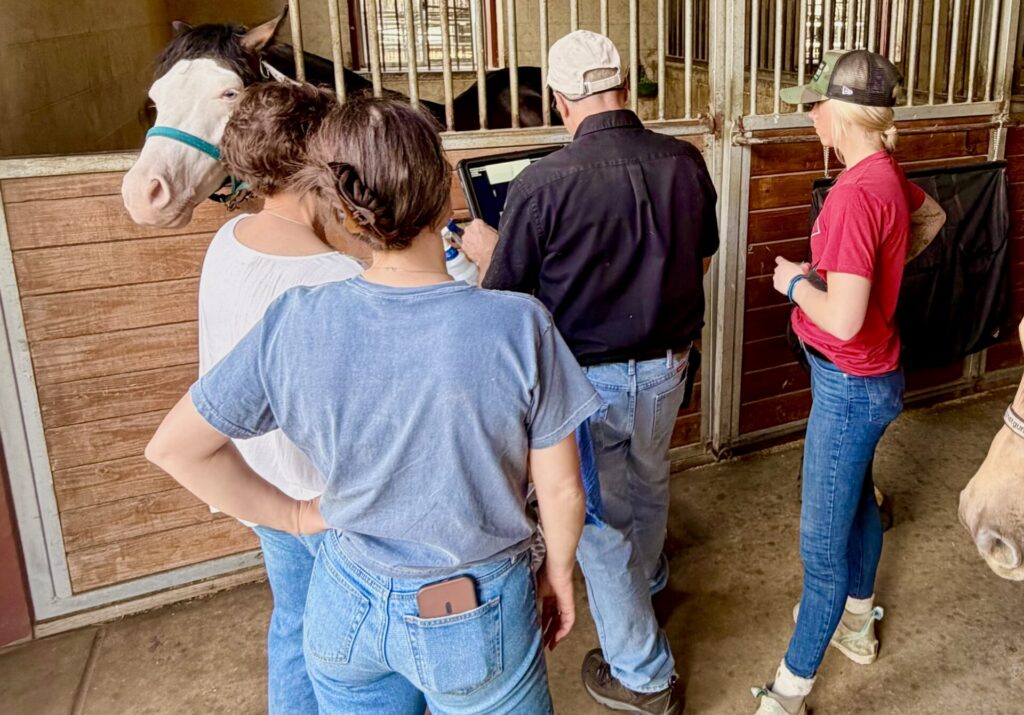
At least, that was the reality for Dr. Bob Meyer, a veterinarian at Neuse River Equine Hospital based in North Carolina. This was still true, even after his practice made the leap from legacy veterinary software to a cloud-based practice management software. While going paperless was a welcome change, it introduced a new challenge for some practitioners: documentation now required significantly more typing. And for those who aren’t the best typists, this still caused delays in charting.
So, when Daisy Voice AI became available within DaySmart Vet, Dr. Meyer found a way to complete medical records faster without sacrificing accuracy, detail, or work–life balance.
From Handwritten Records to Cloud-Based Care
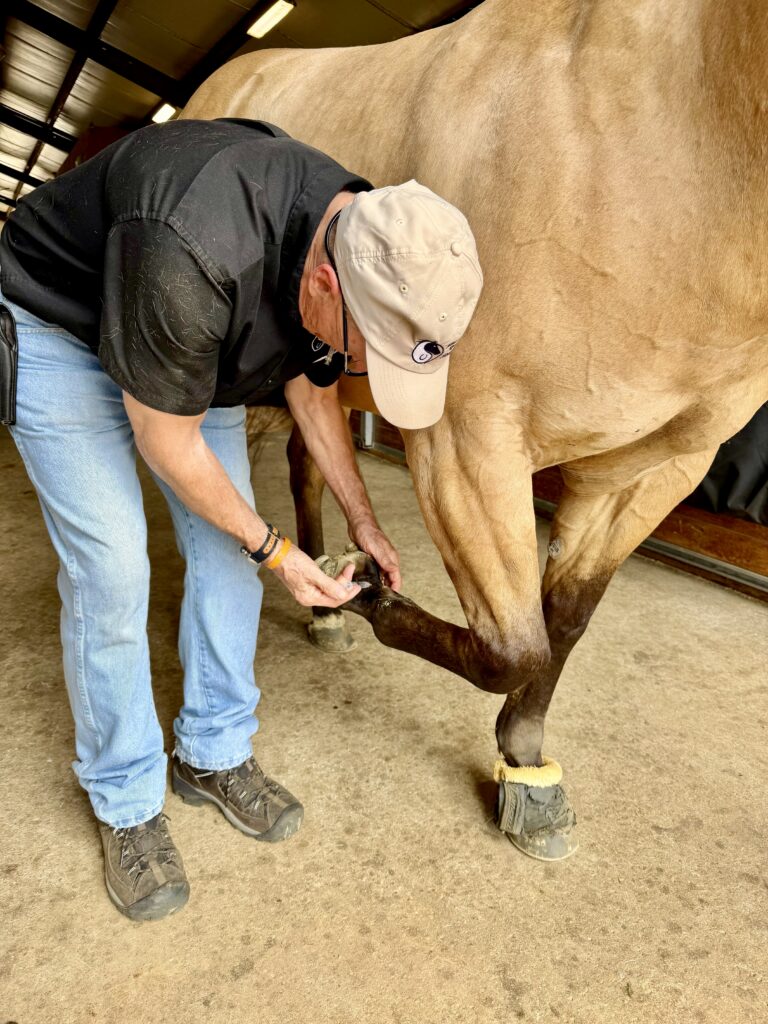
Neuse River has been serving North Carolina’s equine community for decades. Originally a mixed-animal practice, the team transitioned to equine care in 2010 and now operates with four veterinarians, offering everything from routine care to advanced sports medicine and podiatry.
Like many long-established practices, documentation evolved gradually. Handwritten farm slips were once the norm, later transcribed into legacy software by administrative staff. While it may have been familiar, that workflow was time-consuming and dependent on multiple handoffs.
When the practice made the switch to DaySmart Vet and adopted a fully paperless system, veterinarians then became responsible for entering their own records directly. For clinicians who weren’t fast at typing, this shift added hours of administrative work each week—often to be completed after returning home from a full day of appointments.
Why Traditional Voice-to-Text Tools Didn’t Work
Before Daisy Voice, the team explored basic dictation tools and general-purpose AI platforms. While these solutions showed promise, they consistently fell short in a veterinary setting.
Equine-specific terminology, medical language, and nuanced findings were often transcribed incorrectly. Terms like “mare,” drug names, and diagnostic language required constant correction in these transcriptions, adding frustration instead of relief. Due to this issue, correcting errors took nearly as long as typing from scratch, effectively eliminating any real efficiency gains made from these tools.
Then along came Daisy…
A Veterinary-Specific Approach to AI Documentation
Daisy Voice offered something different to the team: AI SOAP-note dictation designed specifically for veterinary medicine and built directly into DaySmart Vet.
Instead of dictating into a separate tool and copying notes between systems, Dr. Meyer and his team could speak naturally, allowing Daisy Voice to transcribe and structure the record. Once finished, they could then apply it directly to the patient’s chart. Because this specific AI offering understands veterinary and equine terminology, the need for heavy editing dropped significantly.
Today, Dr. Meyer typically reviews the initial transcription, applies the note to the record, and makes minor refinements within DaySmart Vet, leaving the team with an approach that feels far more efficient than line-by-line editing.

Stop Typing. Start Practicing.
See how Daisy Voice helps veterinarians complete medical records faster—with accurate, AI-powered voice documentation built directly into DaySmart Vet.
See Daisy Voice in Action
Designed for Real Equine Workflows
In an ambulatory equine practice, efficiency depends on capturing charges accurately and keeping records moving, often from barns, trucks, and phones rather than exam rooms.
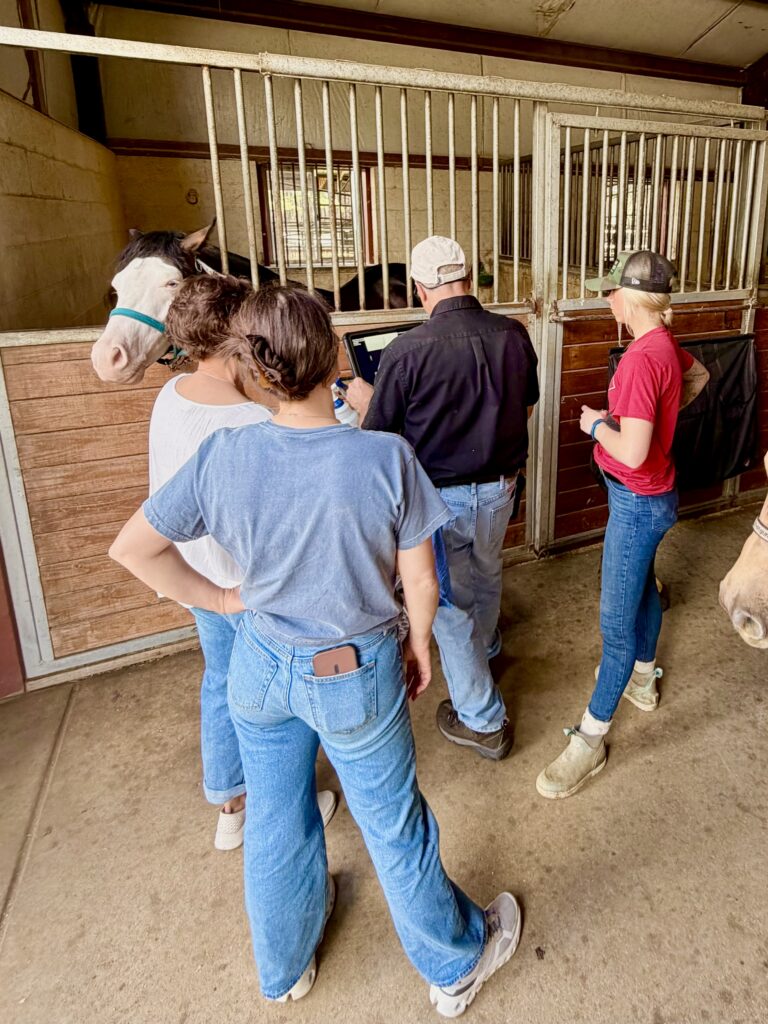
Dr. Meyer’s team uses assistants to enter charges and high-level notes during exams, ensuring nothing is missed before leaving the farm. Later, Daisy Voice allows him to expand on those notes using voice dictation, whether he’s riding in the truck between stops or back at the clinic.
This workflow supports both financial accuracy and medical completeness, without slowing down the pace of care.
Measurable Time Savings, Meaningful Impact
Dr. Meyer estimates that Daisy Voice saves approximately ten minutes per medical record. While that may seem modest at first glance, the impact compounds quickly, especially for associates who see higher case volumes.
Beyond time savings, Dr. Meyer also notes that documentation quality has improved. When typing was the only option, notes tended to be brief out of necessity. With Daisy Voice, it’s easier to include clinical context, history, and follow-up instructions without worry.
Perhaps most importantly, those reclaimed minutes translate directly into personal time. Instead of spending late evenings finishing records, veterinarians can leave the clinic earlier or actually relax once they get home.
Mostly, it lets you focus on spending time with family and friends. Instead of having to do records, you can enjoy some personal time.
Reducing Costs and Complexity
Because Daisy Voice is built into DaySmart Vet, practices don’t need separate transcription services or third-party AI tools. There’s no copying and pasting between systems and no additional software subscriptions to manage.
For Dr. Meyer, that simplicity matters just as much as speed. The fewer tools required to complete a task, the easier it is for clinicians to adopt and use consistently.
A Better Way to Document Veterinary Care
For this equine practice, Daisy Voice hasn’t changed how medicine is practiced, but it has changed how medicine is documented.
By removing the burden of typing, improving accuracy with veterinary-specific AI, and fitting naturally into real-world workflows, Daisy Voice helps clinicians focus on what matters most: patient care, client communication, and life outside the clinic.
Curious how voice AI fits into your current workflow? Learn how Daisy Voice supports mobile, ambulatory, and in-clinic veterinary practices.