
10 Lessons for Pet Groomers — Industry Expert Q&A
The pet grooming industry is constantly evolving. Client expectations shift, new challenges emerge, and what worked five years ago may not work today. To help you stay ahead, we spoke with three experienced pet care professionals about the challenges and opportunities shaping the industry today.
In this Q&A, industry experts share practical insights on everything from preventing burnout and building strong client relationships to pricing services strategically, hiring great team members, and growing a thriving grooming business. Whether you’re just starting out or looking to scale your existing operation, their advice is grounded in years of real-world experience.
Meet our Industry Experts
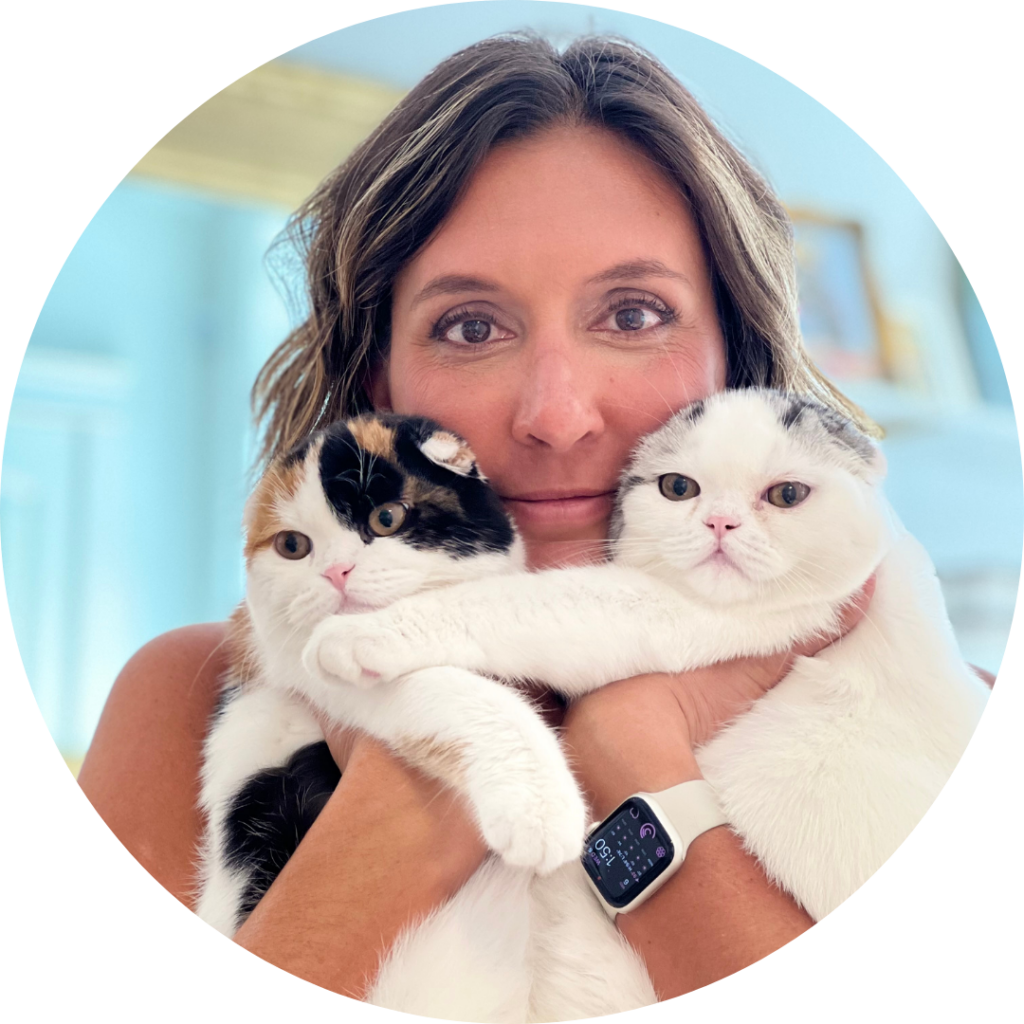
Whitney Bullock
Owner of The Charleston Cat Groomer and a Certified Feline Master Groomer. Whitney has built a loyal online community and thriving business, earning over 204K followers on Instagram and 147K+ on TikTok through engaging, educational, and entertaining content.

Chris Anthony
Owner of Have Shears Will Travel and VP of Customer Service/Sales at Evolution Shears. With nearly 20 years of experience in pet grooming, she is passionate about education, ergonomics, and self-care and is a co-founder of the New Jersey Professional Pet Groomers Alliance.

Joe Zuccarello
Vice President of Groomer Services and Innovation at Groomer’s Choice and business consultant through Hey Joe! Pet Pro, with 40+ years of experience in the grooming industry. Joe has employed, consulted, and worked with thousands of professional groomers.
Expert Q&A: Pet Grooming Business and Career Development
1. What’s one lesson you learned the hard way that every pet groomer should know early in their career?
Whitney:
“That you don’t have to groom every pet. Sometimes it’s safer for you and the animal to recommend that a vet perform a sedated groom.”
Chris:
“That the world will not end if you don’t squeeze Fluffy in on Saturday. Christmas is the same day every year; it’s not your fault that they didn’t pre-schedule for the holidays. Don’t feel guilty; poor planning on their part does not constitute an emergency on your part.”
Joe:
“While it’s not necessarily a hard lesson, it’s important to recognize that learning and honing your craft is a continuous process. Focus on improving your efficiency and skills so you can consistently deliver higher-quality grooms. This helps professional groomers maximize their time and income potential, since high-quality grooms can command ticket prices 20% or more higher than simpler services, such as shave-downs. Higher ticket prices and more frequent visits are key to growing your business.”
2. What industry trend do you think more groomers should be paying attention to over the next few years?
Whitney:
“A big industry trend at the moment is grooming difficult or aggressive animals without sedation. This makes things very dangerous for everyone involved!”
Chris:
“Handling skills. I’ve seen a definite movement from ‘get it done in any way possible’ to taking into consideration that the pet is not having a good day either.”
Joe:
“Pet parents are willing to pay for premiumization if given a reasonable reason to do so. For example, paying for faster grooming visits (less time at the salon) and specialized, personalized add-ons such as Healthy Skin and Coat Treatments, Shed Control Treatments, and added finishing touches such as Nail Filing.”
3. Burnout is common in the pet care industry. What has helped you maintain your passion for pet care?
Whitney:
“Taking lots of vacations and firing clients that don’t align with the values in my business.”
Chris:
“Setting clear and strong boundaries on my time off work.”
Joe:
“Making more money in this industry does not mean doing more dogs per day. While a grooming professional can make more by doing more, this can lead to burnout, injury, safety concerns, quality issues, etc. Do really great work, create more elaborate, quality grooms, and charge appropriate fees, and the industry will reward grooming professionals for their work.”
4. What’s one mistake you frequently see groomers or grooming businesses make, and how can they avoid it?
Whitney:
“Saying yes to everything, trying to please owners, or negotiating pricing to a lower rate. You are worth your rate!”
Chris:
“Pricing too low to start. It’s far easier to have sales and coupons if needed than it is to drastically raise prices if they are set far too low.”
Joe:
“Not charging enough for their time. Especially when it comes to Doodles. If a Doodle takes a grooming professional twice the amount of time to groom than it takes to groom a Shih-Tzu, then charge twice (or more) than you charge for a Shih-Tzu. Doodles are a Groomer’s insurance policy in this business. Embrace their existence. Guide pet parents to get the Doodles groomed more frequently and charge appropriately.”
5. If you were mentoring a new groomer today, what skill would you encourage them to develop beyond technical grooming?
Whitney:
“If I were mentoring a new groomer, I’d encourage them to develop communication and observation just as intentionally as their grooming technique. Technical skills are what get the haircut done, but these other skills are often what build a successful, long-term career.”
Chris:
“Client communication and de-escalation. You can be the most amazing groomer in the world, but if you can’t communicate with your clients or come off as unintentionally nasty, you won’t be as booked as you’d like.”
Joe:
“Grooming professionals need to get more comfortable recommending add-on services. This is easier than one may think. Develop and offer services or products that you believe in and that truly benefit the dog. Believing in what you do makes it very easy to recommend these services and increase your average ticket price (and income).”
6. What advice would you give to groomers who are struggling with staffing, hiring, or retaining great team members?
Whitney:
“One of the biggest mindset shifts I’d encourage is this: people rarely stay because of the paycheck alone; they stay because of how they feel at work. Competitive pay matters, but culture, communication, and growth opportunities are often what determine whether someone builds a career with you.”
Chris:
“Be the boss you always wanted. It’s not necessarily just a monetary thing; reasonable expectations, schedules, snacks in the break room, and being treated well go a long way. Do exit interviews with staff who have left that you wanted to stay. There may be something going on in your salon that you aren’t aware of.”
Joe:
“Embrace the reality that staff is going to leave. It is not a question of ‘if’ they will leave, it is a question of ‘when’ they will leave. Don’t put your business in a vulnerable situation by not having a replacement plan in place and in action to help shield your business from losses due to key people leaving. Grow your own groomers. There simply aren’t enough groomers available, and those that are may not be a good culture or talent fit for your business. By hiring for attitude and training for the job, a grooming business puts itself in the best position to create culture fits among its team and increases the likelihood of staff staying longer. This is the reality. Don’t be surprised by people leaving. Be surprised by staff staying longer.”
7. What role do client communication and education play in creating successful, long-term customer relationships?
Whitney:
“Client communication and education are the foundation of long-term customer relationships in grooming. Great grooming is only part of what keeps clients coming back—trust, transparency, and consistent communication are what turn first-time customers into loyal advocates.”
Chris:
“They are the cornerstone that your grooming and handling skills are built on. I can’t stress enough how vital they are. I’m always learning something new that improves my grooming and business.”
Joe:
“Customers pay for the grooming professionals’ expertise. Rely less on ‘training’ your clients to behave differently. They are not groomers and never will be. Give them options that you can provide to keep their pets in the best condition and desired grooming length. They are not going to brush more. They are not going to maintain their pet’s hygiene needs. Accept this and know that they are willing to pay you to be the expert.”
8. What advice would you give to groomers who want to increase their income without sacrificing quality or burning themselves out?
Whitney:
“Know your worth and price accordingly. Many groomers undercharge for their skill level. Regularly review your pricing to reflect your experience, local market, and the time each service requires. Charging appropriately allows you to do your best work without feeling pressured to rush.”
Chris:
“Look at your products, services, and pricing. Really examine them thoroughly. You can use upgraded shampoo and conditioner as an add-on service or include everything at a higher price point. Nail dremeling and teeth brushing are examples of services that should be charged extra for, whether at a higher general price point or as an add-on service. There are specialty bath bombs and mud treatments for pets that make wonderful add-on spa services that don’t add much time but can increase your revenue stream.”
9. How has the pet grooming industry changed since you first entered it, and what changes have been the most positive?
Whitney:
“The pet grooming industry has evolved tremendously, with higher standards in education, safety, and pet wellness than ever before. One of the most positive changes has been the growing recognition of professional groomers as skilled pet care providers—not just service providers.”
Chris:
“Groomers are learning more and treating themselves more like educated pet professionals, which helps the public see us that way as well. Boundaries are being set, and we are actually talking (and learning) about ergonomics and burnout. These are incredibly positive changes. The only potentially negative change I see is that there are so many things that were taught as ‘basics’ 20 years ago that are disappearing. Two examples that come to mind are the basics of hand-stripping and hand scissoring.”
Joe:
“Pet parents are willing to pay a premium for convenience, quality, and partnership in the pet’s well-being and health. Premiumization is evident in the supplies pet parents are buying. Examples are toys, bedding, food, treats, supplements, etc. It is also evident in grooming businesses that recognize this and make a strong case to pet parents for why they should consider spending more money with their groomer, who can also offer premium services.”
10. Looking back, what is one piece of advice you wish someone had given you when you started?
Whitney:
“I wish someone had told me that your success won’t come from being the best groomer—it will come from learning how to run a business. Master your craft, but also invest time in understanding pricing, leadership, client communication, and setting healthy boundaries. It’s easy to think working harder is the answer, but long-term success comes from working smarter, valuing your time, and building systems that allow you to grow without burning out.”
Chris:
“Eat lunch and take breaks! I started in a somewhat toxic salon where working an 8–12-hour shift without breaks was normal. It was also not sustainable.”
Joe:
“Be professional. Act professional. It is everyone’s responsibility in this industry to elevate the professionalism in this profession.”
Key Takeaways for Pet Grooming Professionals
One message comes through loud and clear: building a successful, sustainable career in pet grooming takes more than technical skill. The good news? These are all areas where you can make immediate improvements in your business. Whether you’re just starting out or looking to grow, there are plenty of insights you can put into practice.
A big thank-you to Whitney, Chris, and Joe for sharing their expertise and insights! Each brings a unique perspective on professional grooming and building a rewarding, sustainable career. Be sure to check out their websites and follow them on social media to learn more and stay connected with their work.
Streamline Your Grooming Business Operations
Ready to implement better systems and take your grooming business to the next level? DaySmart Pet offers an intuitive, easy-to-use management solution designed specifically for pet grooming professionals.
See how DaySmart Pet can help you grow your business, improve efficiency, and spend less time on administrative tasks. Start your free 14-day trial today and discover why pet grooming professionals trust DaySmart Pet to run their businesses.